

-
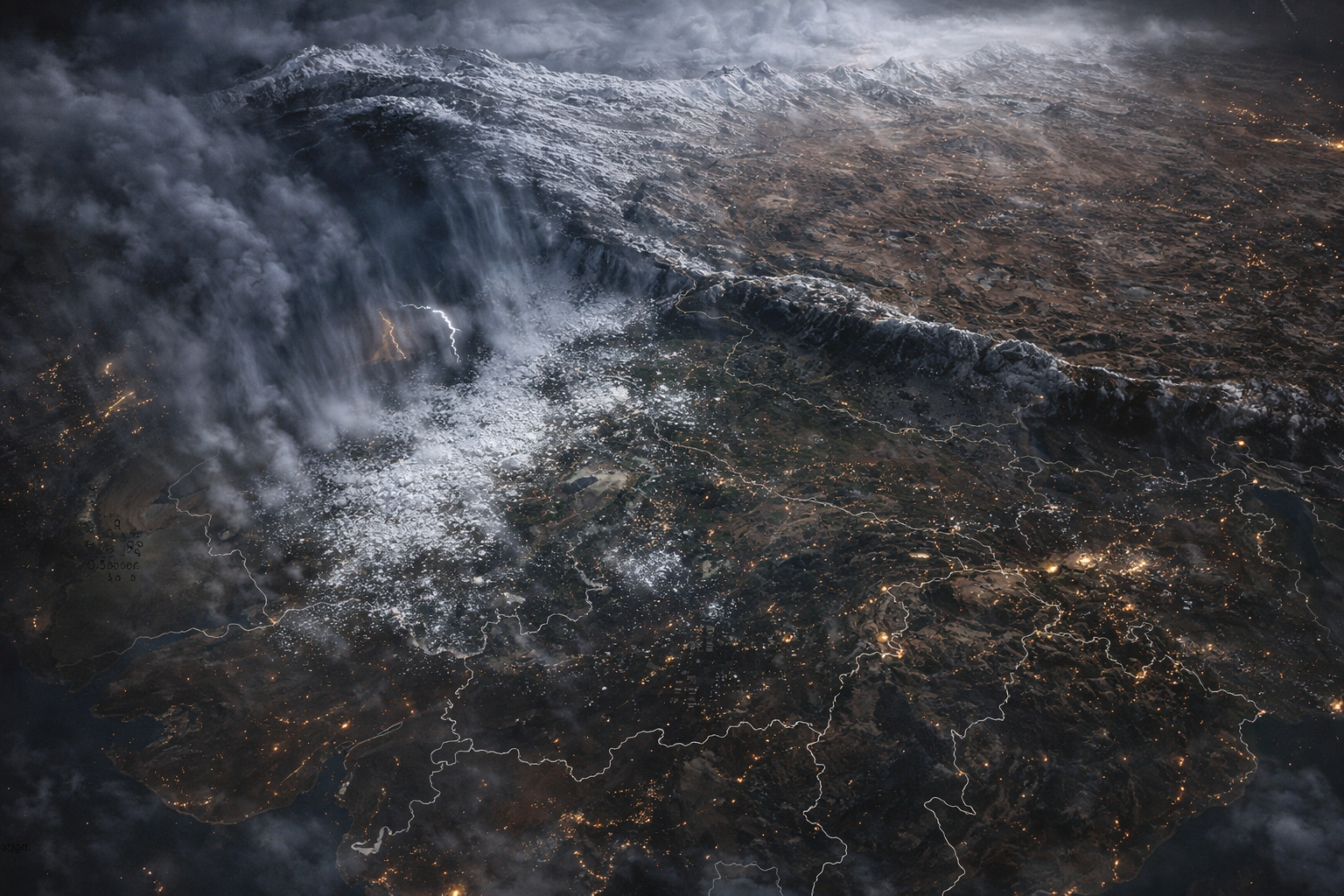
When Seasons Break: The Rise of Climate Instability in Northern India’s Farmland
The events of 2026 in the Northern Plains of India are not just unusual weather—they are a clear signal that our climate system is changing…
3–4 minutes -

Iran Black Rain: When War Turns Into a Climate Disaster
Iran War is Also a Climate War At the crossroads of ancient civilizations and modern geopolitical fault lines lies Iran — a land shaped by…
5–7 minutes -
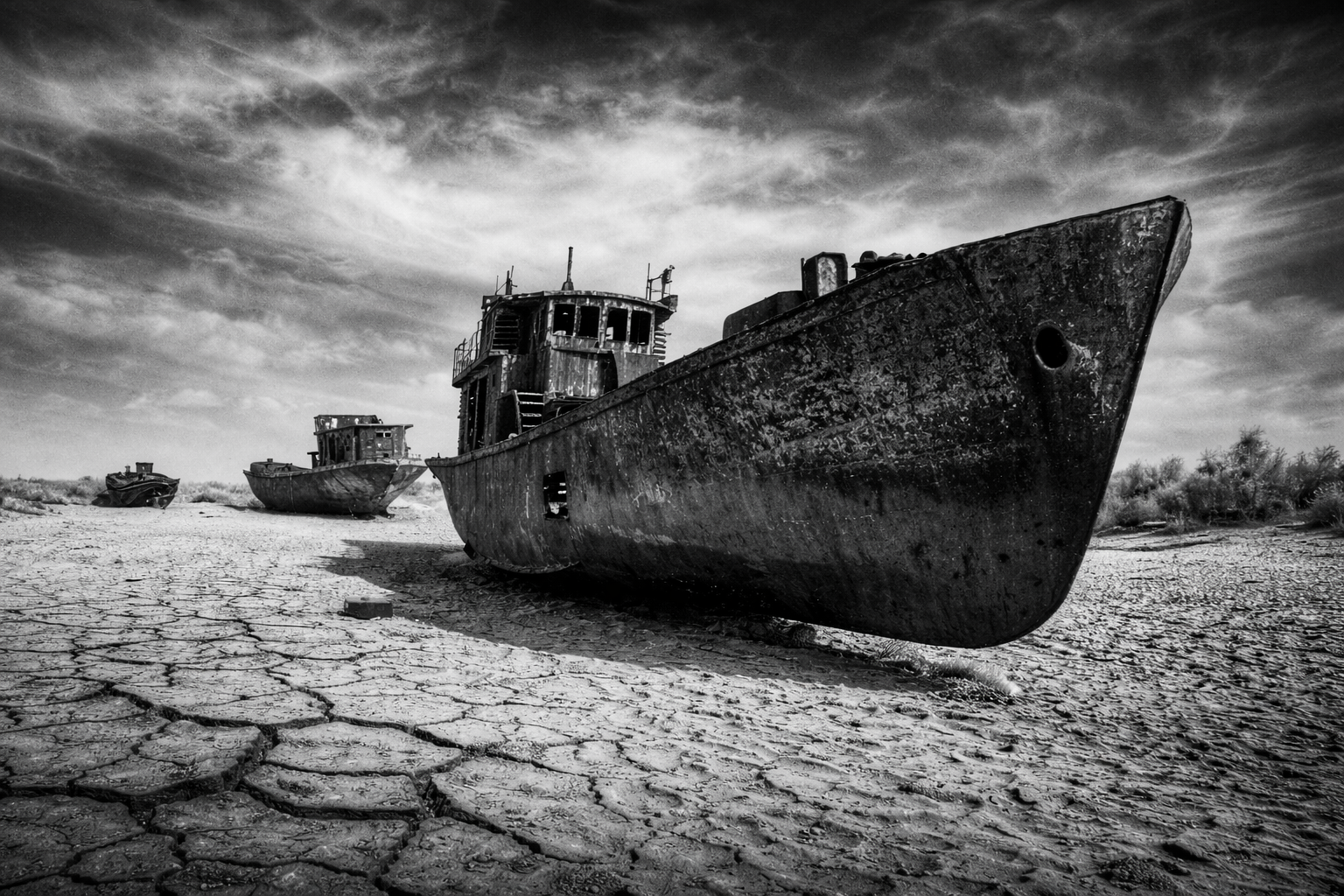
Why Central Asia Is One of the Fastest Warming Regions on Earth
Introduction At the heart of Eurasia lies Central Asia — a vast interior region of deserts, steppes, and toweringmountain ranges that historically connected Europe, the…
18–27 minutes -

Pakistan’s Climate Crisis: Why One of the World’s Lowest Emitters Is Facing Climate Collapse
Heat. Flood. Melt. Repeat. The compound climate forces reshaping one of the world’s most vulnerable nations. Introduction Located in South Asia, Pakistan is the world’s…
13–19 minutes -
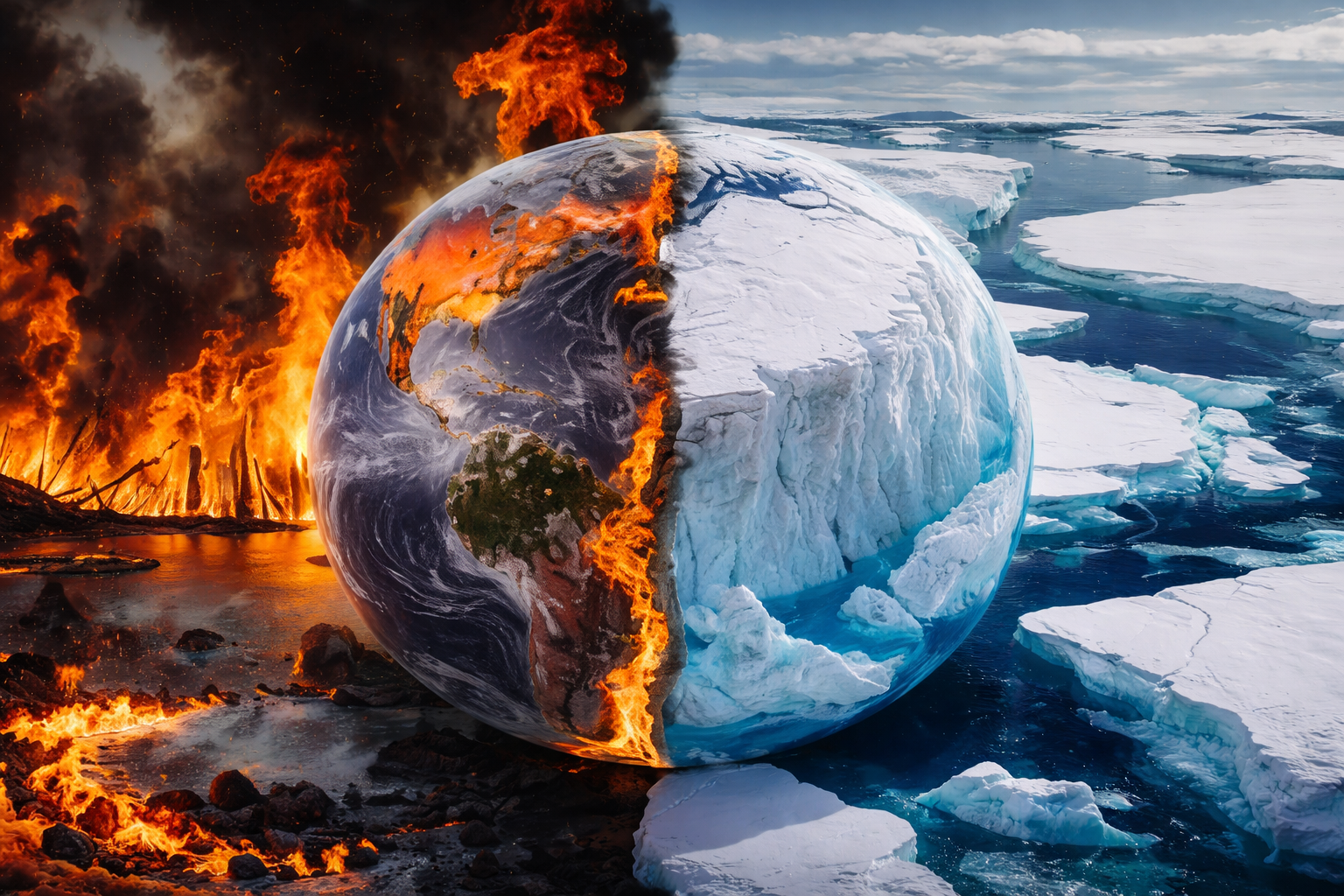
The Invisible Gas That Could Warm the Planet for 3,000 Years
SF₆: The Longest-Lived Climate Threat You’ve Never Seen A Gas Designed for Stability — Released into an Unstable System Modern climate discussions focus on carbon…
5–7 minutes
Sustainability
Understanding long-term environmental, social, and economic resilience
Why Sustainability Matters
Sustainability matters because human systems now operate at a scale that directly influences Earth’s natural limits. Economic growth, urbanisation, energy use, food production, and resource extraction are increasingly interconnected with climate stability, ecosystem health, and social resilience.
When sustainability is ignored, the consequences are not abstract. They appear as rising climate risks, degraded air and water quality, food and water insecurity, biodiversity loss, and growing social and economic vulnerability. These impacts affect not only natural systems, but also public health, livelihoods, infrastructure, and long-term development outcomes.
Sustainability is therefore not only an environmental concern. It is a question of risk management and long-term stability. Decisions made today shape whether systems remain resilient or become increasingly exposed to shocks — from extreme weather and resource scarcity to economic disruption and displacement.
Understanding sustainability helps clarify:
- How current practices create long-term risks
- Where environmental limits are being exceeded
- Which transitions are necessary to reduce future losses
- Why prevention is often less costly than recovery
By examining sustainability through evidence and systems thinking, it becomes possible to move beyond short-term responses and focus on pathways that support enduring balance between human activity and the Earth systems on which it depends.

Voices on a World in Crisis
★★★★★
“Climate change is the defining issue of our time, and we are at a defining moment.”
António Guterres
★★★★★
“Sustainability is no longer about doing less harm. It’s about doing more good.”
Jochen Zeitz
★★★★★
“We are the first generation to feel the effect of climate change and the last generation who can do something about it.”
Barack Obama
Latest Insights
-
The events of 2026 in the Northern Plains of India are not just unusual weather—they are a clear signal that our climate system is changing…
3–4 minutes -
Iran War is Also a Climate War At the crossroads of ancient civilizations and modern geopolitical fault lines lies Iran — a land shaped by…
5–7 minutes -
Introduction At the heart of Eurasia lies Central Asia — a vast interior region of deserts, steppes, and toweringmountain ranges that historically connected Europe, the…
18–27 minutes